Source Amigurumi Doll for Holiday Gifts, Decor, and Custom Promos
Compare 30 Amigurumi Doll options from verified Chinese manufacturers. Buyers can evaluate customization, certifications, and lead times for holiday gifts, decor, and promotional use.
Key considerations
Products List


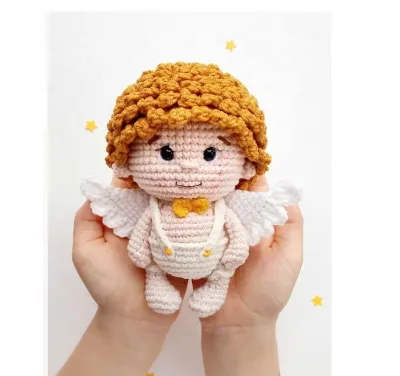


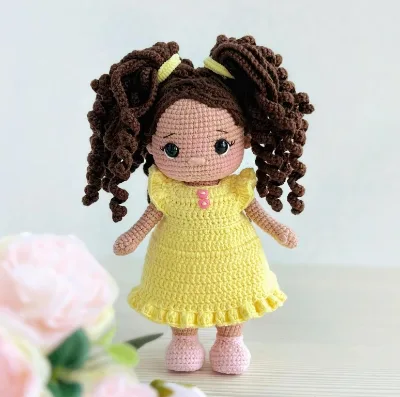
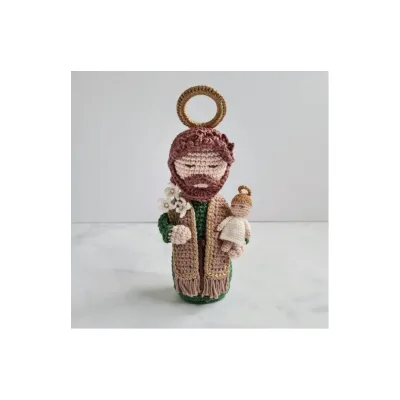


Plush Cartoon Character Doll Toys/ Stranger Girl Doll Toys/ Custom Plush Toys
$0.36 - $3.25
MOQ: 500 Pieces


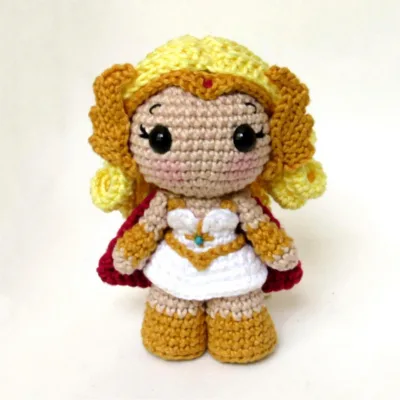


Comprehensive Sourcing Guide
Strategic Sourcing Guide for Custom Amigurumi Dolls
The global market for soft toys and custom plush dolls has seen a sustained rise in demand, driven by the popularity of personalized gifts and the enduring appeal of handmade aesthetics. For procurement professionals researching the core keyword "Amigurumi Doll," the sourcing landscape requires a nuanced understanding of manufacturing capabilities, material science, and regulatory compliance. Unlike mass-produced factory items, amigurumi often implies a specific crochet technique that can be replicated through hand-made processes or specialized machinery. This guide synthesizes observed product attributes, technical specifications, and compliance frameworks to provide a structured approach for B2B buyers. The focus remains on verifying supplier capabilities against actual product data rather than relying on marketing claims, ensuring that procurement decisions are grounded in verifiable facts.
Technical Specifications and Material Composition
When evaluating amigurumi dolls, the primary technical differentiator lies in the material composition and the construction method. Based on available product data, the core material for these items is consistently identified as plush. This fabric choice is critical as it dictates the tactile experience, durability, and safety profile of the final product. The sourcing strategy must prioritize suppliers who can demonstrate a consistent supply chain for high-quality plush fabrics that meet specific softness and comfort requirements. The observed product attributes highlight a "Soft Comfortable" feature, which is a direct result of the material selection and the density of the stuffing.
Construction methods vary significantly between suppliers. The data indicates that "Hand-Made" is a prevalent technical attribute for these dolls. This suggests that many suppliers utilize skilled artisans for the assembly, which aligns with the traditional definition of amigurumi. However, buyers must verify if the "Hand-Made" claim applies to the entire assembly or just specific detailing. The "Modelling Source" is listed as "Custom," indicating that the design phase is flexible and driven by client specifications. This customization extends to the size, which is explicitly noted as "Customized" in the product specifications. Buyers should expect that dimensions are not fixed but are determined by the order requirements, ranging from small keychain sizes to larger decorative pieces.
The weight of the product is another variable that remains "Custom." This implies that the density of the filling and the size of the plush shell are adjustable parameters. For logistics planning, this variability is significant. A standard packing configuration observed in the data includes "1PC in a Polybag" with bulk quantities of "200PCS in a Carton" or "36 PCS/Carton" depending on the specific model. Some listings also mention "Boxed" packaging options, which may incur higher costs but offer better protection for retail presentation. The "Style" of the dolls often falls into categories like "Sitting Animal," suggesting a common design archetype, though the "Customized" nature allows for unique character designs.
Compliance and Certification Verification
Safety and regulatory compliance are non-negotiable in the toy industry, particularly for products intended for children or general gift markets. The supplied data provides a robust list of certifications and standards that buyers should use as a baseline for verification. The most frequently cited standards include EN71-1, 2, 3, ASTM, and Reach. These are the primary regulatory frameworks for toy safety in the European Union and the United States. EN71 covers mechanical and physical properties, flammability, and chemical migration, while ASTM F963 is the corresponding standard for the US market. Reach compliance is essential for the European market regarding chemical safety.
In addition to product testing standards, the suppliers' facility certifications are equally important. The data references ICTI, Sedex, ISO9001, BSCI, and CE. ICTI (International Council of Toy Industries) is a specific ethical certification for toy manufacturers, ensuring fair labor practices. Sedex and BSCI (Business Social Compliance Initiative) focus on supply chain transparency and ethical sourcing. ISO9001 indicates a commitment to quality management systems. The presence of CPSIA (Consumer Product Safety Improvement Act) in the data is critical for any product entering the US market, as it mandates strict limits on lead and phthalates.
Buyers must treat these certifications as verification points rather than automatic guarantees. The data lists multiple certification sets, suggesting that different product lines or factories may hold different credentials. A prudent sourcing strategy involves requesting current, valid certificates for the specific factory producing the order. The "Test Stardand" and "Test" attributes confirm that products undergo testing against ASTM/En71 and Reach protocols. However, buyers should not assume every unit is tested unless a specific batch test report is provided. The "Washable" attribute is a functional claim that should be verified through actual washing tests to ensure the plush material and any printed or embroidered logos do not degrade or bleed color after cleaning.
Cost Drivers and Pricing Structures
Understanding the cost structure of custom amigurumi dolls requires analyzing the interplay between customization, labor, and logistics. The observed price range in the market spans from 0.35 to 20.6 USD. This wide variance is not arbitrary; it is driven by several key factors. The primary driver is the level of customization. A standard, pre-designed plush animal will be at the lower end of the price spectrum, while a fully custom-designed doll with unique embroidery, specific sizing, and complex features will command a premium.
Labor costs are a significant component, especially given the "Hand-Made" attribute. If the production relies heavily on artisanal crochet work, the unit cost will be higher than machine-stitched alternatives. The "OEM/ODM" capability being "Yes!" indicates that suppliers are willing to take on design and manufacturing responsibilities, which adds value but also cost. The complexity of the "Logo" application—whether it is printed, embroidered, or a custom hang tag—also influences the final price. Embroidery, for instance, requires more time and precision than simple printing.
Packaging is another cost variable. The data shows options ranging from simple polybags to boxed packaging. "Boxed" units require additional materials and labor for assembly, increasing the per-unit cost. Furthermore, the "Loading Port" is listed as Shenzhen or Guangzhou, which are major manufacturing hubs in Guangdong, China. While these locations offer efficient logistics, the final landed cost will depend on the destination, shipping method, and current freight rates. The "MOQ" (Minimum Order Quantity) ranges from 1 to 1000, allowing for flexibility. However, smaller orders often carry a higher per-unit cost due to the fixed setup and labor costs associated with custom runs.
Typical Applications and Market Segmentation
The versatility of custom amigurumi dolls makes them suitable for a diverse range of applications. The "Useage" and "Description" attributes highlight "Holiday Gifts" and "Christmas Gift" as primary use cases. This seasonal demand creates peaks in procurement activity, particularly in the months leading up to December. Buyers planning for these periods must account for the "Delivery Time" of 25-35 Working Days and the "Sample Time" of 3-7 Working Days or 5-7 Working Days.
Beyond holidays, the "Usage" as a "Gift" suggests broader applications in corporate gifting, promotional events, and retail. The "Main Market" is listed as "Global," indicating that these products are designed to meet international standards and aesthetic preferences. The "Early Childhood Education Function" is noted as "Without," which clarifies that these are primarily decorative or comfort items rather than educational toys with specific learning modules. This distinction is important for marketing and labeling; buyers should not market them as educational tools unless they have developed specific educational content to accompany the doll.
The "Style" of "Sitting Animal" and the "Category" of "Doll" place these items in the general plush toy market. They are often used as mascots, brand ambassadors, or personalized keepsakes. The ability to customize the "Logo" and "Label or Hang Tag" makes them ideal for corporate branding. Companies can order dolls with their company logo embroidered on the chest or a custom tag attached, creating a unique promotional item that stands out in a crowded market.
Supplier Evaluation and Selection Criteria
Selecting the right supplier for amigurumi dolls requires a rigorous evaluation process that goes beyond price comparison. The "Location" of the suppliers is consistently noted as "Guangdong, China" or generally "China." This region is a global hub for toy manufacturing, offering a mature supply chain for plush materials and accessories. However, buyers should verify the specific factory location to ensure it aligns with their logistics strategy.
Key evaluation criteria include the supplier's "OEM/ODM" capabilities and their history of handling "Customized" orders. The data confirms that "Customization" is available and that the "Modelling Source" is custom, which are positive indicators. Buyers should request to see a portfolio of previous custom work to assess the quality of the "Hand-Made" craftsmanship. The "Sample Time" is a critical metric; a supplier offering a sample within 3-7 Working Days demonstrates efficiency and readiness.
The "Production Time" of "About 20 Days, or According to Order Quantity" suggests that lead times are flexible but dependent on volume. Buyers must clarify this timeline during negotiations to avoid delays. The "Loading Port" being Shenzhen or Guangzhou is standard, but buyers should confirm the specific port to calculate accurate shipping costs. Finally, the presence of certifications like ICTI, Sedex, and ISO9001 should be verified through third-party audits or recent certificate copies. A supplier with a strong track record in ethical manufacturing and quality control is preferable to one that only offers the lowest price.
Quality Control and Long-Term Procurement Considerations
Quality control (QC) is paramount in the plush toy industry to ensure that the final product meets safety and aesthetic standards. The "Feature" of being "Soft Comfortable" must be maintained throughout the production run. QC protocols should include checks on stitching integrity, stuffing distribution, and the durability of the plush fabric. The "Washable" attribute requires specific testing to ensure the product retains its shape and color after washing.
For long-term procurement, buyers should consider the scalability of the supplier. The "MOQ" range of 1 to 1000 allows for testing the market with small orders before committing to larger volumes. However, as demand grows, the supplier must be able to scale production without compromising quality. The "Production Time" and "Delivery Time" should be stable and predictable. Buyers should establish a clear communication channel for updates on production status and potential delays.
Sustainability is an emerging consideration in the toy industry. While not explicitly detailed in the product data, buyers should inquire about the sourcing of the plush material and the environmental impact of the manufacturing process. Certifications like Sedex and BSCI often include environmental and social responsibility criteria, which can be leveraged to ensure the supply chain aligns with corporate sustainability goals.
In conclusion, sourcing custom amigurumi dolls requires a balanced approach that prioritizes technical specifications, compliance, and supplier reliability. By focusing on the verified attributes of material, customization, and certification, buyers can make informed decisions that mitigate risk and ensure the delivery of high-quality products. The wide range of applications and the global market reach of these items make them a valuable addition to any procurement portfolio, provided that the sourcing strategy is grounded in rigorous due diligence and clear contractual agreements.
FAQs
What certifications do the amigurumi dolls meet?
The dolls meet multiple safety and ethical standards including ICTI, Sedex, ISO9001, BSCI, CE, En71, ASTM, Cpsia, and Reach. These certifications ensure compliance with international toy safety regulations and ethical manufacturing practices for global distribution.
How long does it take to receive samples?
Sample production typically requires 3 to 7 working days or 5 to 7 working days depending on the specific order requirements. This timeline allows buyers to verify the hand-made quality and customization details before committing to bulk production.
Can I customize the size and weight of the doll?
Yes, both the size and weight are fully customizable to meet your specific design needs. The modeling source is custom, allowing for unique dimensions and filling density while maintaining the soft and comfortable plush material features.
What is the minimum order quantity for these dolls?
The minimum order quantity ranges from 1 to 1000 pieces, offering flexibility for small test orders or large bulk purchases. This wide range accommodates various business needs while ensuring efficient production scheduling for custom designs.
Where are the products manufactured and shipped from?
Products originate from Guangdong, China, and are shipped from the loading ports of Shenzhen or Guangzhou. This location provides access to a mature supply chain for plush materials and efficient logistics for global market delivery.
How is the logo applied to the plush dolls?
Logos can be applied through printing, embroidery, or custom hang tags depending on your preference. This customization allows for brand integration while maintaining the soft and comfortable texture of the hand-made plush material.